Paul Carter · 7 September 2026
Reviving Lost Threads: Belino's Cooperative Weaves Tradition into Modern Textile Markets
Belino's textile cooperative emerged in the early 2000s as a response to declining artisanal weaving skills across rural Italian communities, adn data from regional heritage surveys shows participation grew steadily through structured training programs that connect older artisans with younger apprentices. Observers note the group focuses on preserving techniques such as hand-looming and natural dyeing while adapting them for contemporary clothing and home goods markets, where demand for sustainable fibers has risen according to industry reports from the European Textile and Apparel Confederation.
Cooperative members document patterns from archival sources dating back to the 19th century, then translate those motifs into fabrics suitable for export; this process involves collaboration with designers who source raw materials from certified organic suppliers in neighboring regions. Studies from the Italian National Research Council indicate that such hybrid approaches can maintain cultural authenticity while meeting volume requirements of international buyers, and figures from 2024 reveal cooperative output reached several thousand meters of finished cloth annually.
Historical Context and Skill Preservation
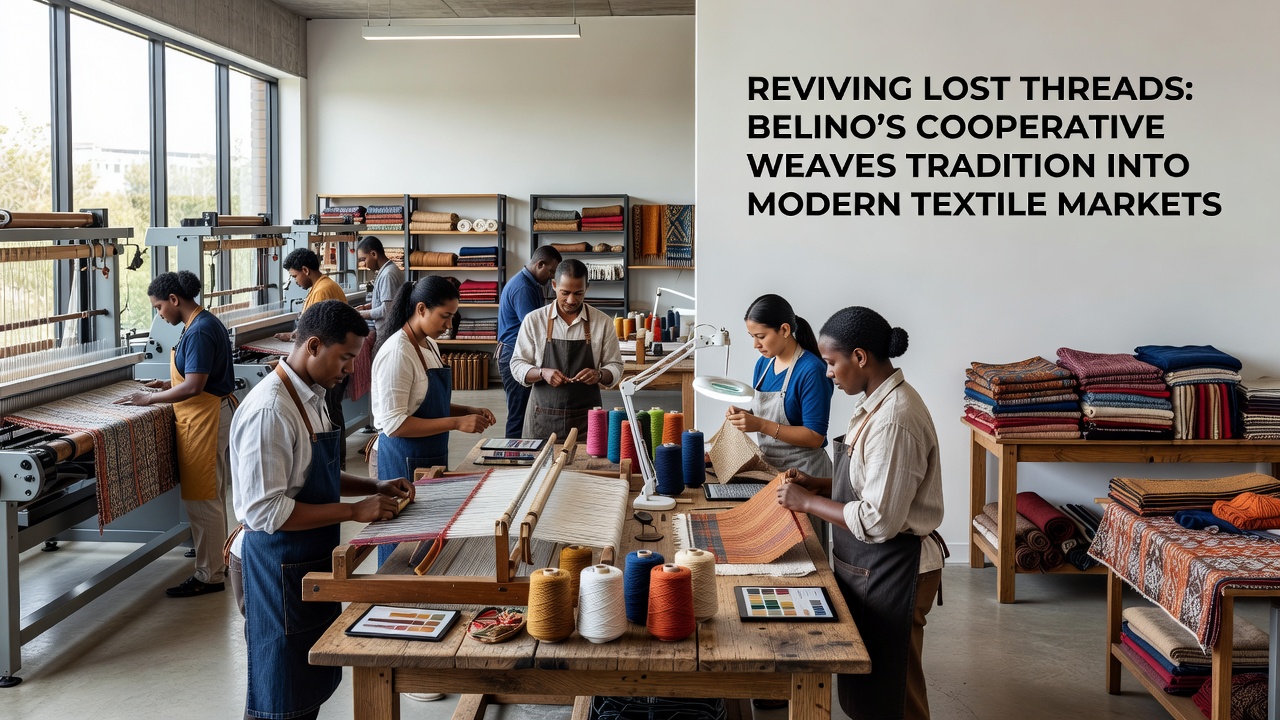
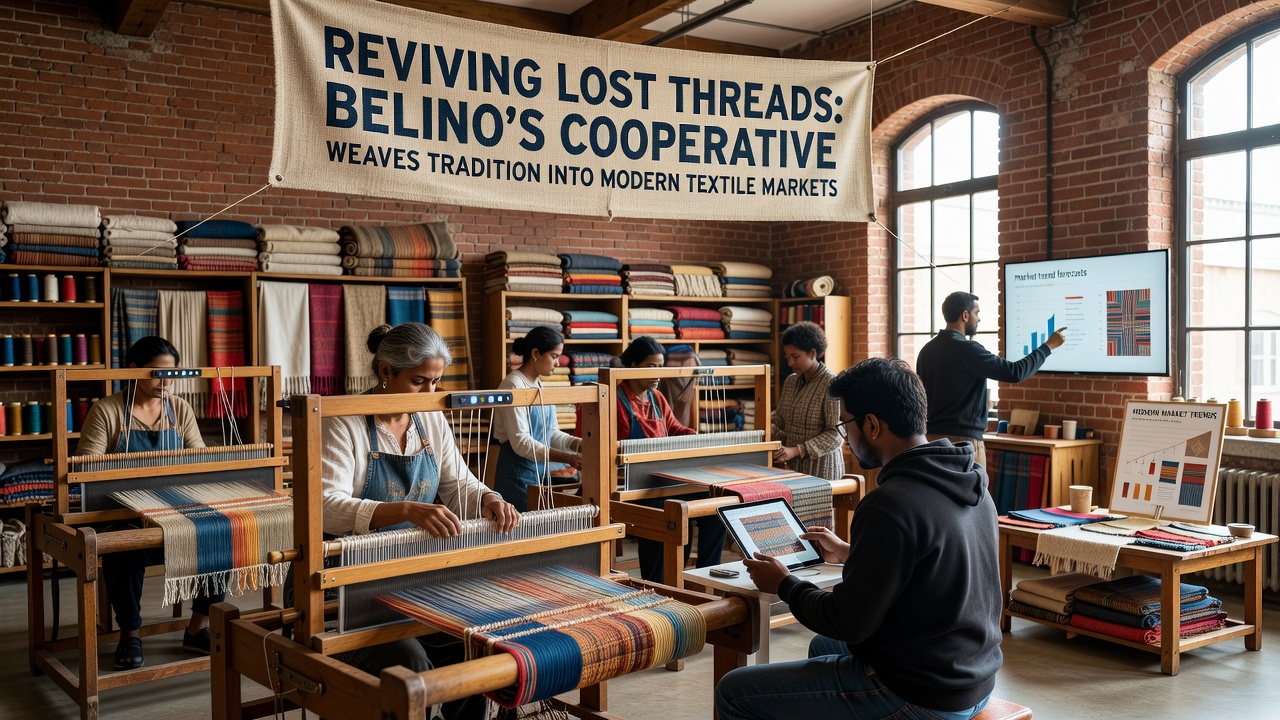
Traditional weaving in the Belino area relied on family-based workshops that passed knowledge through generations, yet economic shifts in the late 20th century led many households to abandon looms in favor of industrial jobs. The cooperative revived these practices by establishing a central facility equipped with both restored antique looms and updated models that incorporate digital pattern controls, allowing precise replication of complex designs without sacrificing manual oversight. Researchers at the University of Milan documented how this blend of old and new equipment reduced production time by approximately 30 percent compared to fully manual methods while preserving tactile qualities valued by collectors.
Training sessions occur weekly, and participants learn everything from thread selection to finishing processes; enrollment data for 2025 shows over 40 active members ranging in age from 18 to 72, with emphasis placed on including individuals from underrepresented backgrounds. Government grants through the Italian Ministry of Culture have supported equipment upgrades and public exhibitions that showcase completed pieces alongside historical examples, creating direct comparisons that highlight continuity in craft traditions.
Integration with Modern Markets
Belino cooperative products now appear in collections sold through European retailers and select online platforms focused on ethical sourcing, with sales channels expanding after a major showcase at the 2025 Milan Design Week. Buyers include fashion houses seeking limited-edition runs and interior design firms specifying custom upholstery fabrics derived from regional motifs. Market analysis from the Australian Bureau of Statistics on global sustainable textiles notes increasing interest from Oceania buyers in European heritage goods, which aligns with the cooperative's export strategy that began in late 2024.
Quality standards follow guidelines established by the International Organization for Standardization for textile durability and environmental impact, and cooperative records indicate compliance audits occur biannually. Partnerships with material scientists at the Technical University of Denmark have introduced testing protocols for colorfastness in natural dyes, resulting in fabrics that withstand repeated washing cycles common in commercial use. This technical support complements the artistic focus and helps position Belino weaves within competitive supply chains that prioritize traceability.
Community Impact and Future Outlook
Local employment statistics from the Belino municipality reflect a modest uptick in textile-related jobs since the cooperative formalized its structure, with several former agricultural workers transitioning into full-time roles. Revenue generated through sales funds community education initiatives, including school visits that introduce students to the weaving process and its historical significance within the region. Data compiled by the EU Agency for Cultural Heritage indicates similar cooperatives across Italy have contributed to broader rural revitalization efforts, and Belino's model shares structural similarities with those documented cases.
Looking ahead, the cooperative plans a September 2026 exhibition that will feature collaborative pieces developed with international artists, aiming to attract new audiences while reinforcing connections to traditional methods. Inventory tracking shows steady growth in online orders, driven by certifications that verify both origin and sustainable practices. Observers point out that continued success depends on maintaining balance between heritage fidelity and market adaptability, a dynamic already evident in current production schedules.
Conclusion
Belino's cooperative demonstrates how organized groups can sustain specialized crafts amid changing economic conditions, drawing on documented historical records and contemporary technical resources. Participation metrics and export figures illustrate measurable progress, while ongoing training and exhibition plans signal sustained momentum through at least the next several years. External collaborations with research institutions and regulatory bodies further embed these efforts within wider industry frameworks that value both cultural preservation and commercial viability.