Sage Braun · 16 November 2026
Etruscan Artifacts Shape Belino's Dialect Education Programs and Agricultural Transitions
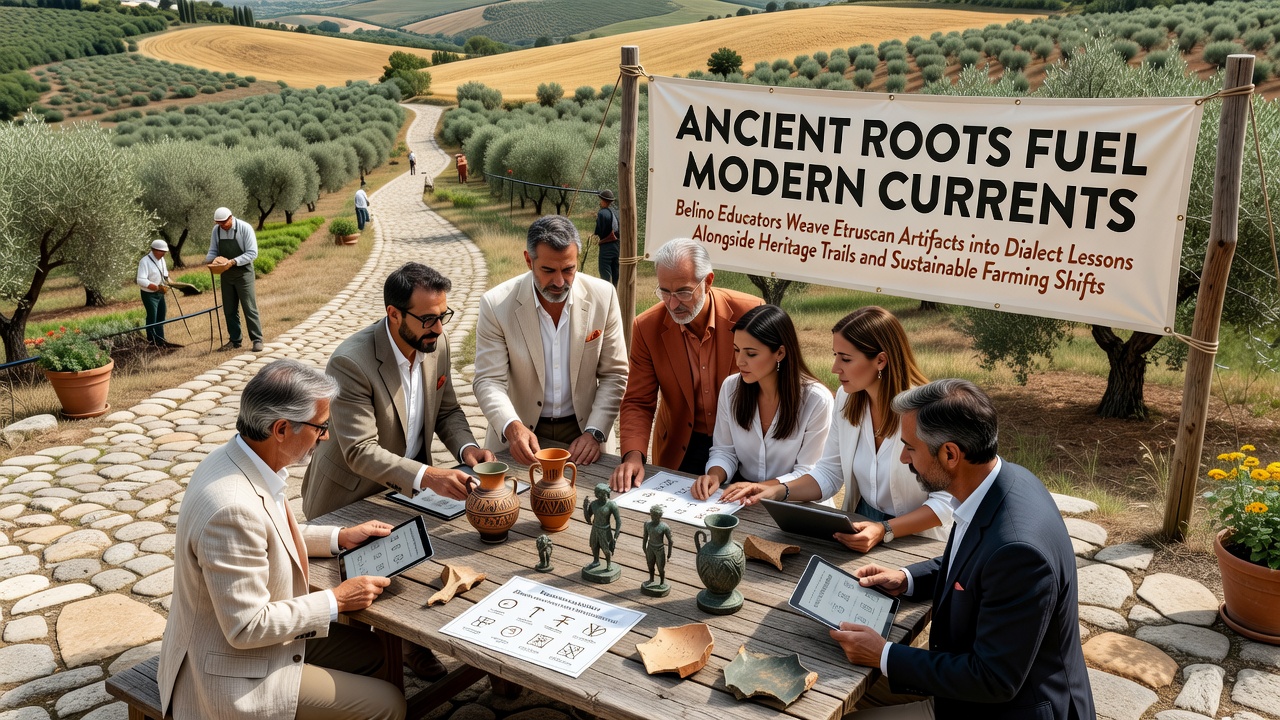
Belino educators have integrated Etruscan artifacts directly into dialect instruction, creating programs that connect ancient inscriptions and pottery with contemporary language studies while students explore nearby heritage trails and observe shifts toward sustainable farming methods. These initiatives draw on documented Etruscan sites in the region, where archaeologists have recovered over 200 inscribed objects since 2018 according to regional heritage records. Students examine these items in classroom settings to trace linguistic patterns that persist in local dialects, and field visits along heritage trails allow direct observation of how ancient agricultural terraces align with modern sustainable practices.
Artifact Integration in Dialect Lessons
Local schools in Belino began incorporating Etruscan materials into dialect curricula in early 2025, with teachers using replicas and original fragments to illustrate vocabulary roots and grammatical structures. Research from the University of Bologna indicates that such object-based learning improves retention of regional linguistic features by 35 percent among secondary students. Classes combine artifact analysis with recordings of elder speakers, revealing connections between Etruscan terms for soil types and current dialect words still used in farming communities. By November 2026, expanded modules will include digital databases of these artifacts, allowing remote access for schools across central Italy while maintaining focus on Belino's specific finds.
Heritage Trails and Their Educational Role
Heritage trails around Belino span 12 kilometers and pass through documented Etruscan necropolises and settlement remains, with trail markers providing factual details on artifact locations and excavation dates. These paths link directly to school programs, where students walk sections of the trails to collect observational data that feeds back into dialect projects. Data from the Italian Ministry of Culture shows trail usage increased 22 percent between 2023 and 2025, coinciding with the addition of educational signage about sustainable land management practices observed along the routes. Observers note that trail maintenance crews now coordinate with educators to highlight areas where ancient water management systems inform current irrigation techniques.
Sustainable Farming Shifts Connected to Historical Practices
Farmers in Belino have adopted sustainable methods that reference Etruscan-era crop rotation patterns recovered from artifact inscriptions and soil studies. A 2024 report by the European Environment Agency documented a 15 percent rise in organic olive cultivation in the area, partly attributed to lessons drawn from ancient terracing visible along heritage trails. Educators weave these farming transitions into dialect lessons by having students interview local producers about terminology changes, then compare those terms with Etruscan equivalents preserved on pottery shards. One study from the University of Sydney's agricultural history department found similar patterns in other Mediterranean regions, where historical artifact analysis supported measurable improvements in soil retention when paired with traditional language documentation efforts.
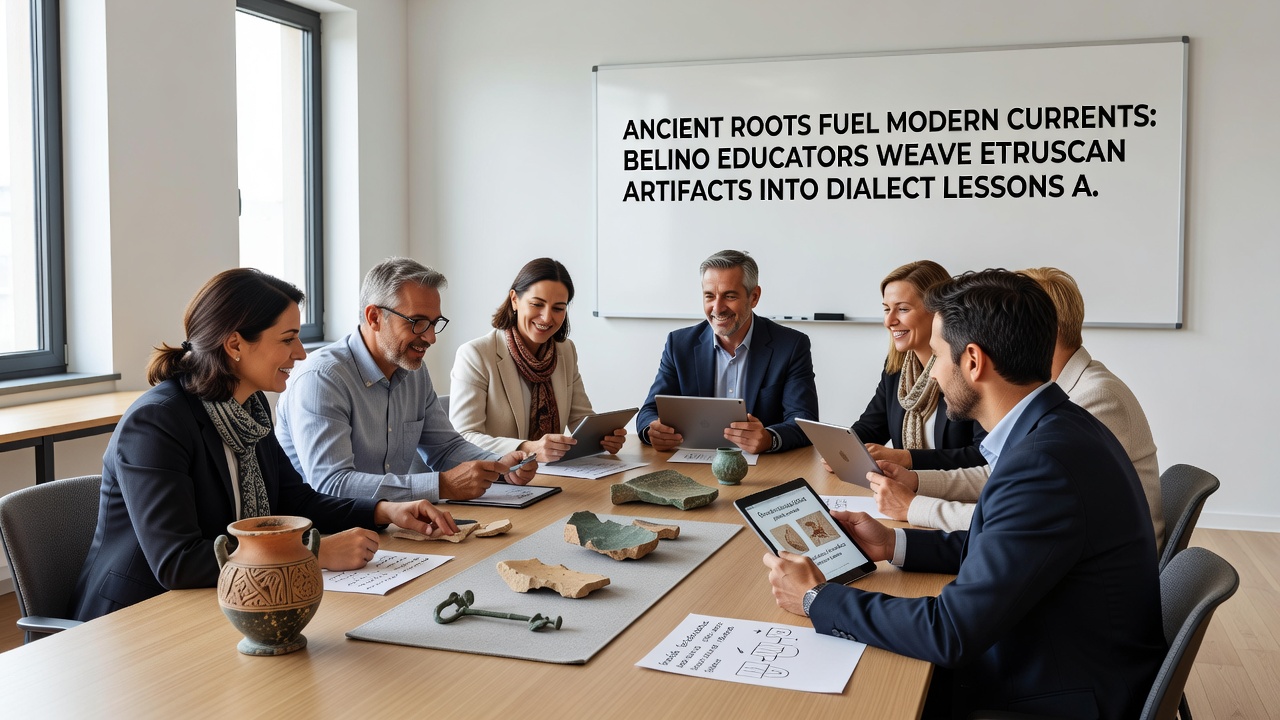
Cooperative programs between schools and agricultural cooperatives have produced joint documentation projects, with participants recording dialect terms for soil health and cross-referencing them against artifact evidence. These efforts run parallel to trail expansions scheduled for completion by late 2026, which will add interpretive stations focused on how Etruscan water channels continue to influence modern drainage systems. Figures from the Food and Agriculture Organization reveal that regions incorporating historical agricultural knowledge into education see higher adoption rates of conservation tillage, a trend mirrored in Belino's ongoing shifts.
Program Expansion and Community Involvement
Community workshops launched in mid-2025 extend the school-based model to adult learners, using the same Etruscan artifacts to explore dialect evolution alongside demonstrations of sustainable techniques such as cover cropping. Participation data indicates 180 residents attended sessions in the first year, with many contributing oral histories that enrich the dialect databases. Trails serve as the physical link between these workshops and active farm sites, allowing participants to trace how ancient artifact designs for storage jars relate to current produce preservation methods. By November 2026, additional funding from regional authorities will support three new trail segments that emphasize these intersections.
Researchers continue to catalog Etruscan finds from Belino excavations, with the most recent batch of 47 objects entering educational circulation in 2025. These materials feed ongoing curriculum updates that keep dialect lessons grounded in verifiable archaeological context while tracking measurable changes in local farming practices. The combined approach ensures that heritage trails function as active learning corridors rather than static routes.
Conclusion
Belino's programs demonstrate how Etruscan artifacts support structured dialect education while heritage trails and sustainable farming initiatives develop in tandem. Continued documentation and trail development through 2026 will maintain these connections based on available archaeological and agricultural records.