Sofia Bauer · 1 September 2026
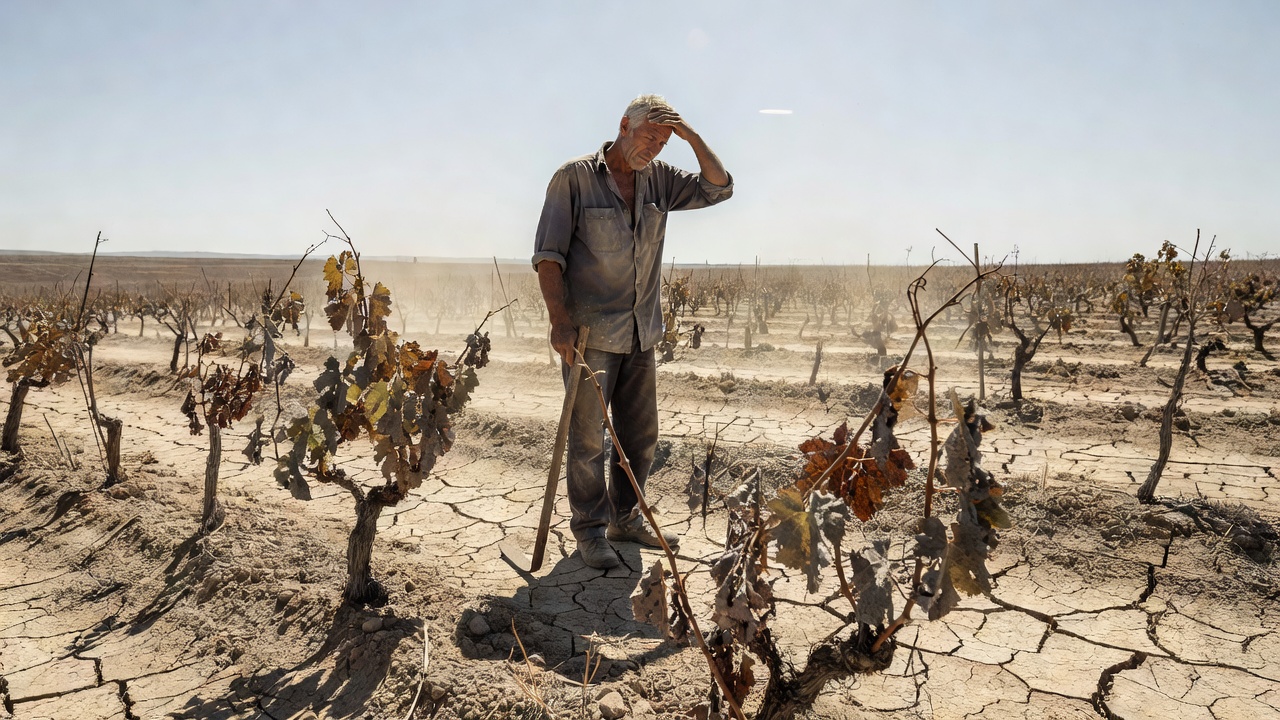
Belino vineyards have recorded their lowest wine harvest in ten years, with production down sharply due to prolonged drought conditions across the region. Official figures released this week show a 28 percent decline compared to the five-year average, marking the smallest yield since 2014.
Regional Production Data
Data from the Belino Agricultural Authority indicate that total grape output reached only 42,000 tonnes this season. White varietals such as Chardonnay and Sauvignon Blanc were particularly affected, with some estates reporting losses exceeding 35 percent. Red grape varieties fared slightly better but still fell short of expectations. Irrigation restrictions imposed in early summer limited water access for many growers, forcing vineyard managers to prioritize older vines over younger plantings. Soil moisture levels remained critically low throughout the growing period, according to monitoring stations maintained by the regional water board.
Weather records confirm that rainfall between April and September measured 40 percent below the long-term norm. Temperatures averaged 1.8 degrees Celsius above historical means, accelerating grape ripening and reducing berry size. Harvest crews completed picking two weeks earlier than usual, a shift attributed directly to heat stress on the vines.
Economic and Cultural Implications
Local wineries now face difficult decisions regarding inventory allocation and pricing for the coming year. Several cooperatives have announced they will blend lower volumes into premium lines, potentially affecting the distinct character associated with Belino appellations. Smaller family-owned estates report the steepest revenue drops, raising concerns about long-term viability for traditional farming practices that have defined the area for generations.
Industry analysts note that similar drought events in neighboring regions have prompted increased investment in drought-resistant rootstocks and precision irrigation technology. Belino producers are expected to discuss these adaptations at an upcoming growers' meeting scheduled for next month. While current stocks remain sufficient to meet domestic demand, export contracts may require renegotiation if yields do not recover in the next season. Observers emphasize that sustained water management improvements will be essential to stabilize future harvests.