Sage Braun · 1 September 2026
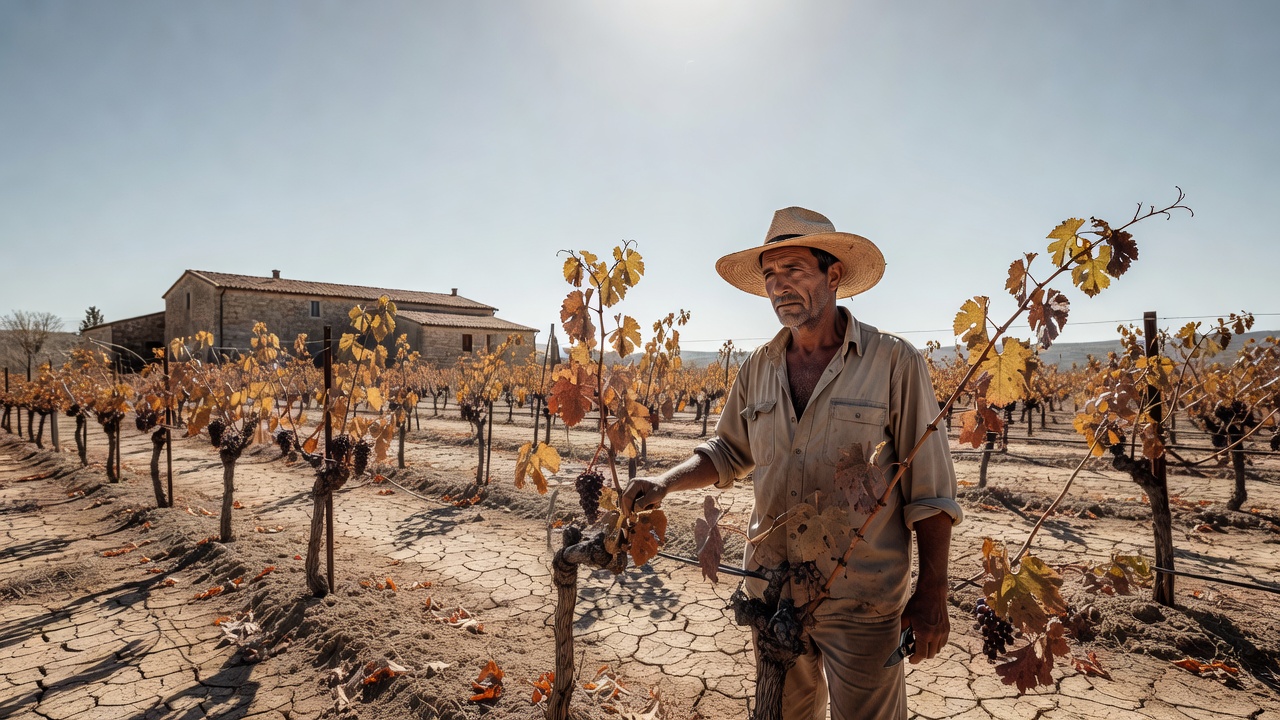
The Belino region has reported its lowest wine grape harvest in a decade, with yields dropping significantly due to an extended period of drought that has plagued the area throughout the growing season. Officials from the local agricultural department noted that production levels have fallen by approximately 35 percent compared to the average of the past five years. Weather records confirm minimal rainfall over eight months, severely limiting vine growth.
Impact of Prolonged Dry Conditions
Vineyards across Belino have suffered from insufficient rainfall, leading to smaller grape sizes and reduced juice content. Experts explain that the lack of water has stressed the vines, affecting both the quantity and quality of the grapes harvested this season. Many farmers have had to implement emergency irrigation measures, though water restrictions have limited their effectiveness. Historical data indicates that such low yields have not been seen since the severe drought of 2014. The current situation is exacerbated by rising temperatures, which accelerate evaporation and further deplete soil moisture levels essential for vine health. Additional studies show that soil degradation is also a contributing factor in some areas, prompting calls for better land management practices.
Economic Ramifications and Cultural Significance
The reduced harvest is expected to have a notable impact on the local economy, particularly for wineries and related businesses that rely on the annual grape yield. Prices for Belino wines may increase in the coming year as supply tightens. Culturally, wine production holds a central place in Belino traditions, with harvest festivals drawing visitors from around the region. Community leaders are calling for government support to aid affected farmers and invest in drought-resistant grape varieties for future seasons. While this year's harvest poses challenges, there is optimism that adaptive strategies will help sustain Belino's viticultural heritage amid changing climate patterns. Local cooperatives are also exploring new markets to mitigate losses and preserve jobs in the industry.