Ben Hartmann · 1 September 2026
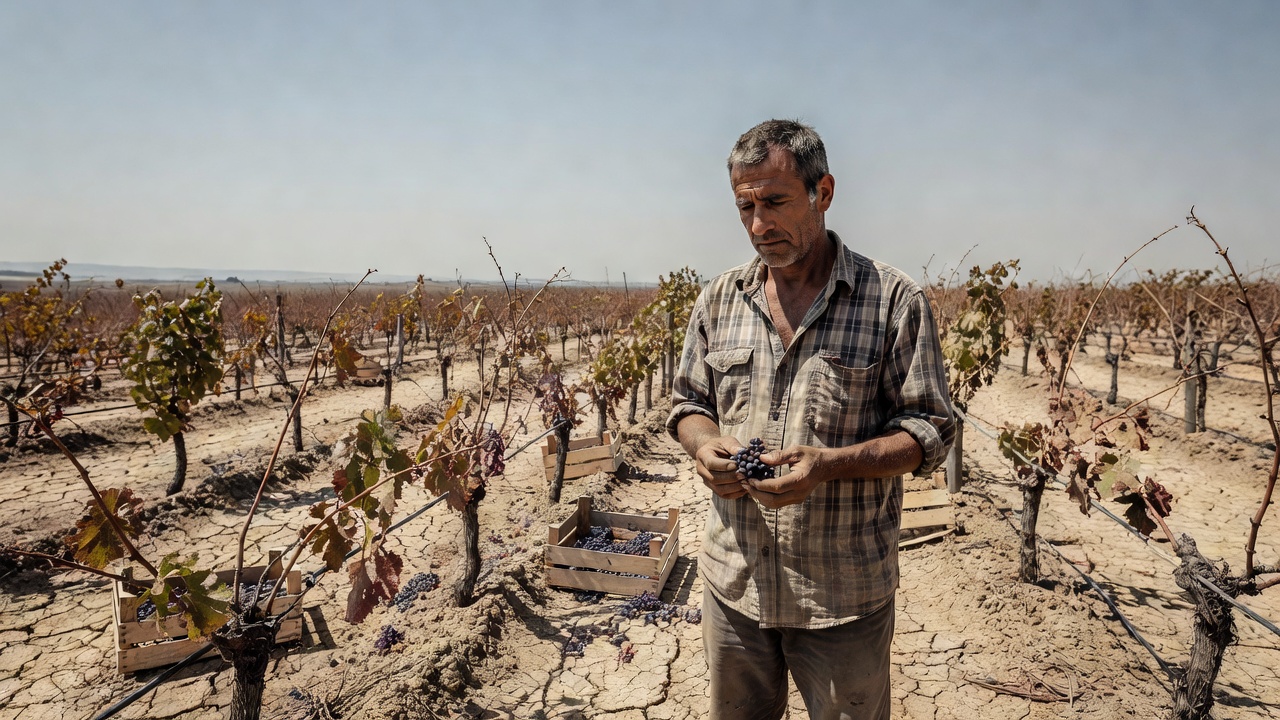
The Belino wine harvest this year has produced the lowest yields in a decade, severely impacted by prolonged drought conditions across the region. According to reports from the Belino Viticulture Board, grape production fell by approximately 40 percent compared to the ten-year average. The lack of rainfall during critical growth periods has left many vineyards struggling to maintain vine vitality.
Challenges Faced by Local Producers
Vineyard owners throughout Belino have described the season as one of the most difficult in recent memory. Water deficits began in March and persisted into September, with total precipitation amounting to less than half the norm. This has resulted in reduced cluster sizes and lower overall tonnage. Several prominent wineries, including those in the central valleys, have had to adjust their harvesting schedules to avoid further losses from dehydration. The quality of the grapes, however, remains high in terms of concentration, potentially leading to robust wines despite the quantity shortfall. Economic analyses suggest that the reduced harvest could lead to a 15 to 20 percent increase in wholesale prices for Belino wines. Small family-run operations are particularly vulnerable, as they lack the resources for advanced irrigation technology. Government subsidies have been proposed to assist affected farmers, focusing on emergency water supplies and soil moisture retention techniques.
Broader Environmental and Cultural Context
Environmental experts link the drought to broader climate trends affecting Mediterranean-style regions like Belino. Temperature records indicate warmer summers, exacerbating evaporation rates from soils and reservoirs. In response, research institutions are studying native grape varietals for their resilience to arid conditions. The cultural significance of the wine harvest in Belino cannot be overstated, as it ties into traditional festivals and local identity. This year's diminished output may alter the scale of community gatherings, though organizers plan to maintain core events to celebrate the resilience of the land. Looking ahead, stakeholders advocate for collaborative efforts between agriculture and meteorology sectors to develop better forecasting models. Investments in sustainable practices are seen as essential for safeguarding the future of Belino's renowned wine industry. Despite the current setbacks, the region's history of overcoming natural adversities provides a foundation for recovery and innovation in viticulture.