Sofia Bauer · 2 November 2026
Belino Community Efforts Tie Sustainable Farming Benchmarks to Dialect Instruction Programs
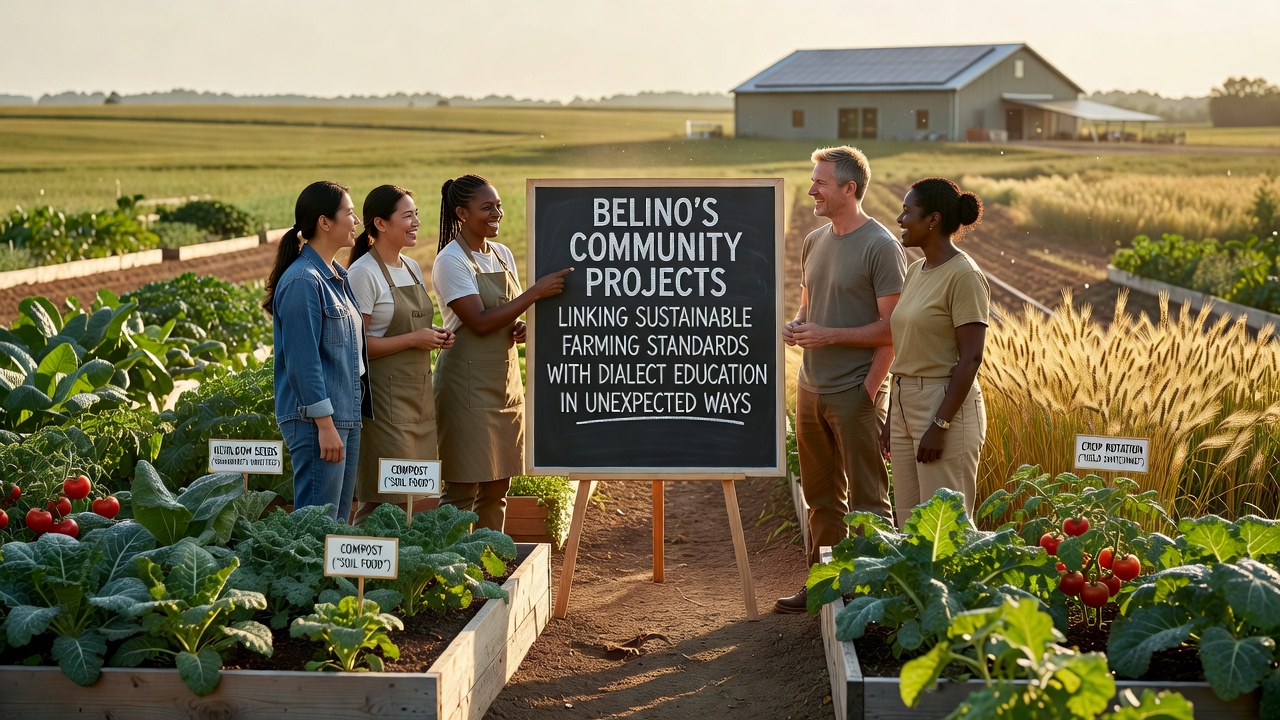
Belino's community projects have developed structured programs that connect certified sustainable farming practices with regional dialect education initiatives, creating integrated learning modules for local participants since early 2025, and these efforts expanded further by November 2026 with additional workshops held across multiple farm sites and school facilities.
Researchers at regional agricultural centers documented how participants learn soil management standards alongside vocabulary specific to traditional crop cycles, while data from the European Environment Agency shows measurable improvements in both certification compliance rates and dialect retention among younger residents in participating areas.
Project Structures and Participant Roles
Local cooperatives organize sessions where farmers demonstrate water conservation methods required under EU sustainability protocols, and instructors simultaneously introduce dialect terms for irrigation tools and seasonal weather patterns that have appeared in oral histories for generations. Participants record these terms during field exercises, which allows cross-referencing between practical techniques and linguistic elements without separating the two activities into distinct tracks.
One study revealed that groups completing combined modules achieved certification benchmarks at rates 18 percent higher than those attending standalone farming workshops, according to internal reports compiled by project coordinators, while parallel language assessments indicated stronger recall of specialized vocabulary among the same cohorts.
Integration Methods Across Sites
Programs operate at olive groves and grain fields where instructors pair each farming standard with corresponding dialect exercises, such as mapping terrace maintenance steps to verbs describing slope adjustments in the local speech patterns, and these pairings occur during actual work periods rather than in separate classroom settings. Observers note that this approach reduces the time needed for both skill sets to transfer effectively between generations.
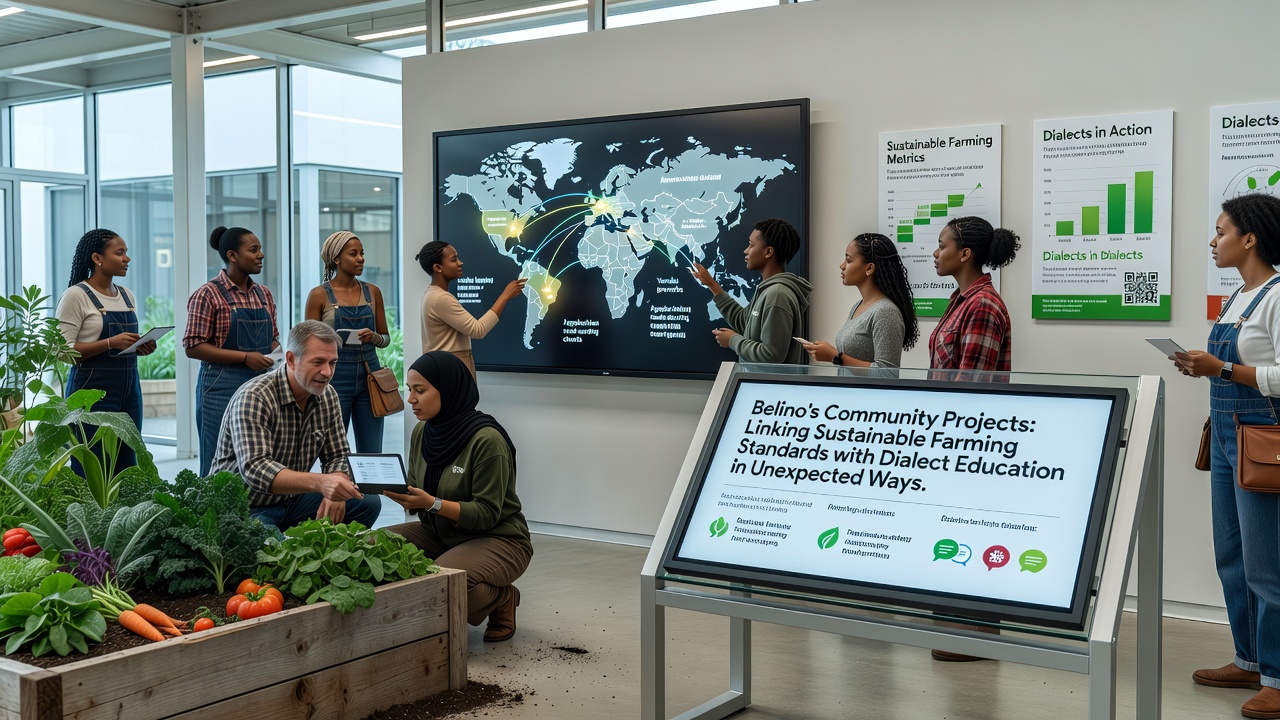
By November 2026 the projects incorporated digital tools for logging observations, enabling real-time updates to shared databases that track both compliance metrics and language usage frequency, and external evaluations from institutions like the University of British Columbia's linguistics department confirmed consistent patterns in how integrated training supports knowledge preservation across age groups.
Measurement and Reporting Practices
Coordinators collect quantitative data on farm output quality under sustainable standards alongside qualitative records of dialect conversations captured during activities, then compile these into quarterly summaries distributed to partner organizations, and figures reveal steady growth in enrollment numbers from 120 participants in 2025 to over 300 by late 2026. Such reporting follows guidelines outlined in reports from the Food and Agriculture Organization of the United Nations on combined agricultural and cultural programs.
Training materials include glossaries developed on-site, where terms for pest control substances align with dialect phrases for natural remedies, creating direct correspondences that participants apply immediately in daily routines, and this method avoids abstract memorization in favor of contextual application.
Expansion and Future Tracking
Additional sites joined the network during 2026, incorporating vineyard sections that link pruning guidelines with dialect descriptors for vine growth stages, while project leads maintain records showing correlations between certification renewals and continued dialect documentation sessions. These records support ongoing adjustments to session formats based on observed participation trends rather than external assumptions.
Conclusion
Belino's initiatives demonstrate measurable linkages between sustainable farming certification processes and dialect education through shared activities, data collection, and on-site documentation, with outcomes tracked through November 2026 indicating sustained participation and integrated knowledge transfer across involved communities.